TermitesTuesday, April 21, 2026

Understanding Termite Behavior: How to Protect Your Home

Learn how to understand termite behavior and protect your home from these destructive pests with effective prevention strategies.

By Absolute Pest Services

Understanding Termite Behavior: How to Protect Your Home

Understanding Termite Behavior: How to Protect Your Home

Termites are often referred to as "silent destroyers" because they can cause significant damage to homes without any immediate warning signs. In southeastern Pennsylvania, particularly in Chester County and Delaware County, homeowners must be vigilant in understanding termite behavior to effectively protect their properties. This guide will provide you with valuable insights into termite activity, their habits, and practical prevention strategies.

What Are Termites?

Termites are social insects that primarily feed on cellulose, which is found in wood, paper, and other plant materials. There are several species of termites, but the most common in Pennsylvania are the subterranean termites, which build their colonies underground and can enter homes through cracks in the foundation.

Understanding Termite Behavior

To effectively protect your home, it’s essential to understand the behavior of termites:

  • Colonization: Termites live in colonies that can range from a few thousand to millions of individuals. A single colony can cause extensive damage over time.
  • Feeding Habits: Termites consume wood from the inside out, making it difficult to detect infestations until significant damage has occurred.
  • Swarming: During the warmer months, typically from March to June, reproductive termites swarm to establish new colonies. This is often the first visible sign of a termite problem.

Signs of Termite Infestation

Being aware of the signs of termite infestation is crucial for early detection:

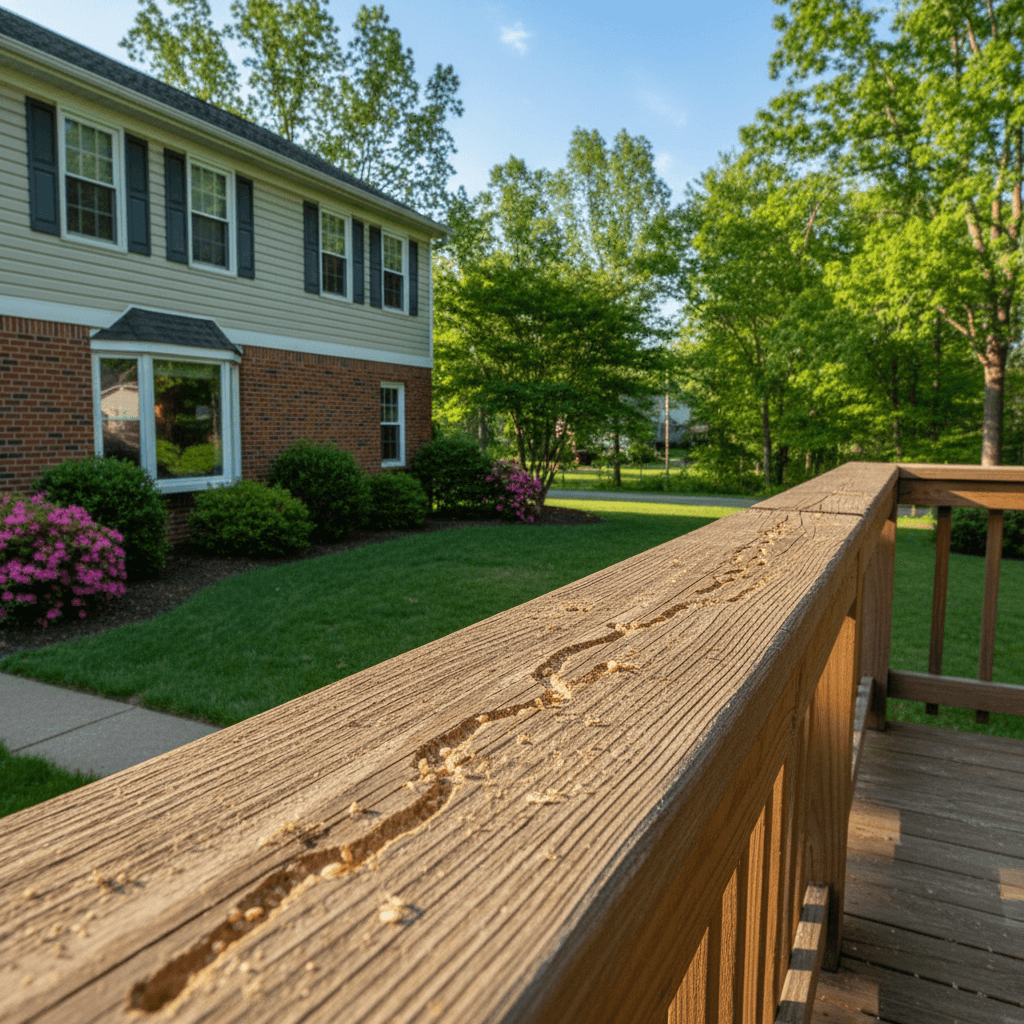
  • Wood Damage: Look for hollow-sounding wood or wood that crumbles easily.
  • Termite Tubes: Subterranean termites build mud tubes for protection as they travel between their colony and food sources.
  • Swarmers: Seeing winged termites inside or around your home is a clear indicator of an infestation.

Effective Termite Prevention Strategies

Preventing termite infestations is essential for protecting your home. Here are some effective termite prevention strategies tailored for southeastern PA homeowners:

  • Moisture Control: Termites are attracted to moisture. Ensure proper drainage around your home, fix leaky pipes, and use dehumidifiers in damp areas.
  • Wood Treatment: Consider using pressure-treated wood for your deck or any wooden structures. Additionally, sealing any cracks or gaps in your foundation can help prevent termite entry.
  • Landscaping Practices: Keep mulch and wood piles at least 15 inches away from your home’s foundation. This reduces the chances of termites finding their way into your home.
  • Regular Inspections: Schedule regular inspections with a pest control professional, especially before and after the swarming season. Early detection can save you from extensive damage.

When to Seek Professional Help

If you suspect a termite problem or want to ensure your home is protected, it’s vital to seek professional help. Pest control experts can provide thorough inspections and tailored solutions to safeguard your home against termites.

Conclusion

Understanding termite behavior and implementing effective prevention strategies is key to protecting your home from these destructive pests. Homeowners in Chester County and Delaware County should be proactive in their efforts to maintain a termite-free environment. If you have concerns about termite activity or need assistance with prevention, contact Absolute Pest Services at 484-643-2225. Our team is here to help you protect your home effectively.

termite preventiontermite behaviorhome protectionpest controlsoutheastern PA

Have a Pest Problem?

Call us now — same-day service available in PA & DE.

484-643-2225
Call NowRequest Service

Fast response in southeastern PA and Delaware

Protect Your Home from Termites in SE PA