
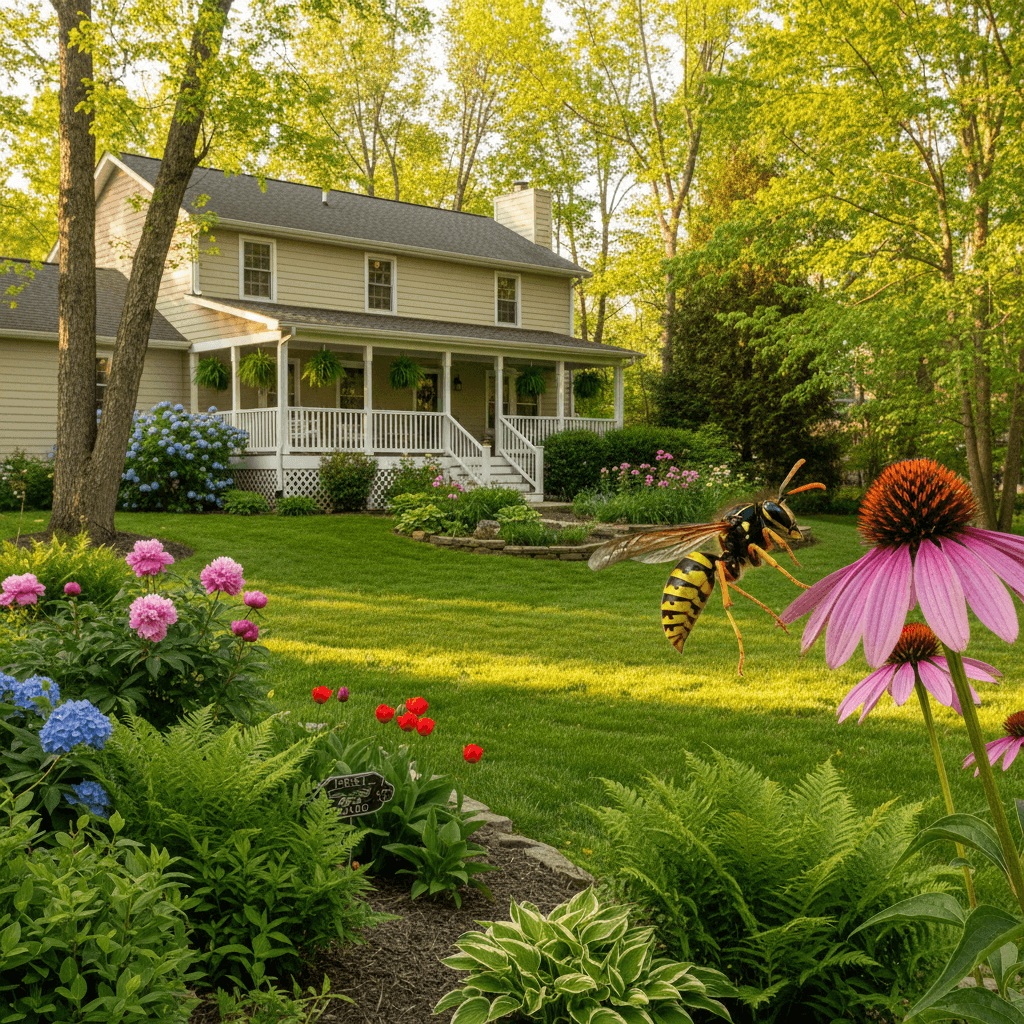
How to Safeguard Your Home Against Stinging Insects This Spring
As the weather warms up in southeastern Pennsylvania, particularly in areas like Chester County and Delaware County, homeowners begin to notice the increased activity of stinging insects such as bees and wasps. While these insects play essential roles in pollination and the ecosystem, they can also pose risks to your family and pets if they nest too close to your home. This guide will provide effective strategies for stinging insects prevention to ensure a safe and enjoyable spring.
Understanding Stinging Insects
Stinging insects commonly found in SE PA include:
- Honey Bees: Beneficial pollinators that usually won’t sting unless provoked.
- Bumblebees: Larger and fuzzier, these bees are also important for pollination but can be aggressive if threatened.
- Wasps: Including yellow jackets and paper wasps, these insects can be more aggressive and territorial, especially in late summer.
Prevention Tips for Homeowners
Taking proactive steps can significantly reduce the likelihood of stinging insects making your home their nesting ground:
- Inspect Your Property: Regularly check your home’s exterior, especially eaves, attics, and sheltered areas where nests might form. Look for small, paper-like structures.
- Seal Entry Points: Fill gaps and cracks in walls, around windows, and doors with caulk to prevent insects from entering your home.
- Maintain Your Yard: Keep your garden tidy by trimming overgrown bushes and removing debris, which can provide perfect nesting sites.
- Store Food Properly: During outdoor activities, cover food and beverages to avoid attracting wasps and bees.
- Avoid Bright Colors and Scents: When outdoors, wear neutral colors and avoid floral patterns and strong fragrances that can attract stinging insects.
Identifying Nests and Knowing When to Act
Stinging insect nests can vary in size and location. Common signs of a nest include:
- Increased insect activity around a specific area.
- Visible nests under eaves, in trees, or even underground.
If you notice a nest forming, it’s essential to act quickly. Late spring is a critical time, as populations increase and nests grow larger. Attempting wasp nest removal on your own can be dangerous, especially if you are allergic to stings. In such cases, it’s best to contact professionals.
When to Call in the Experts
If you encounter a significant nest or if stinging insects are causing concern, it’s wise to seek help from pest control professionals like Absolute Pest Services. Our trained technicians understand the behaviors of stinging insects and can safely remove nests while minimizing risks to your family.
Bees in Spring: What You Should Know
Spring is a vital time for bees, as they emerge from winter dormancy to forage for food and establish their colonies. While it’s important to manage their presence around your home, remember that bees are crucial for pollination and biodiversity. If you notice honey bees near your home, consider contacting a local beekeeper who may relocate the hive instead of exterminating it.